Motor & Generator Assemblies
Rotor Assembly
Precision-Engineered Rotor Assemblies for High-Efficiency Motors and Generators
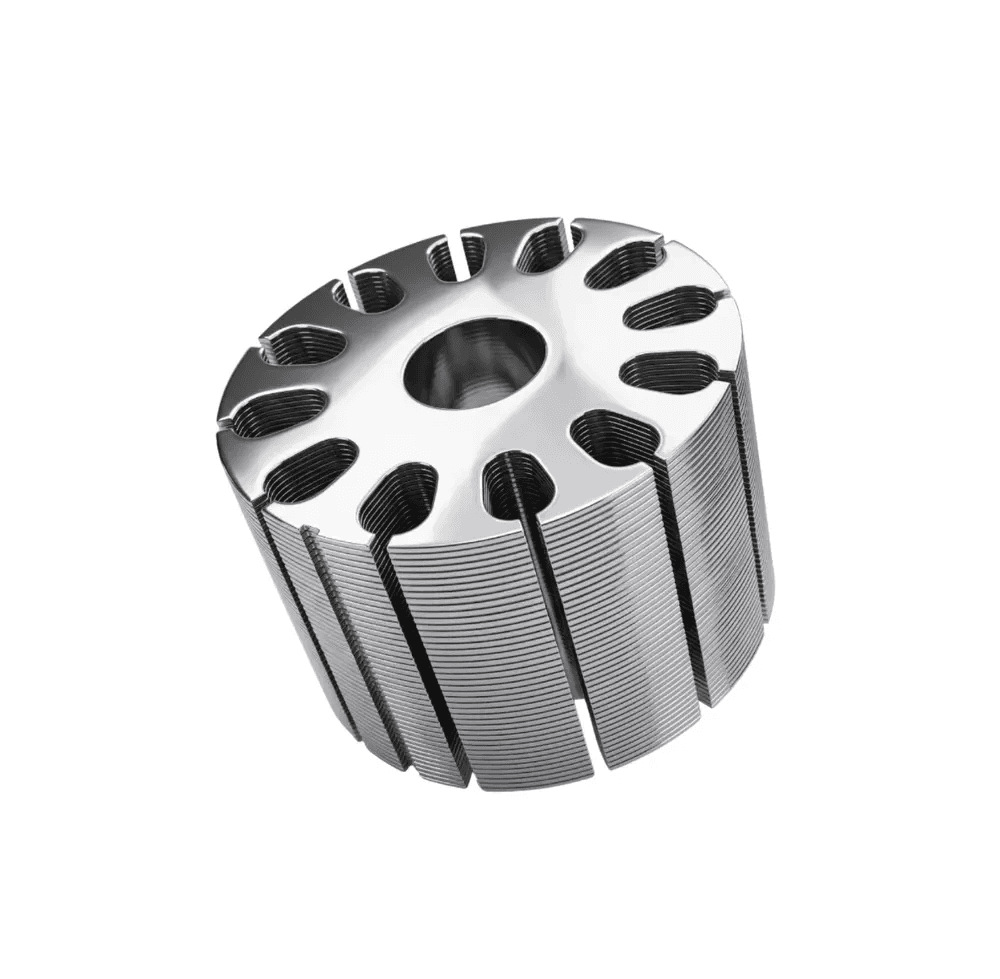
Advanced Rotor Assemblies for Reliable Power Conversion
Built with high-quality laminations and magnetic materials to deliver consistent torque, speed control, and efficiency across demanding motor and generator applications.
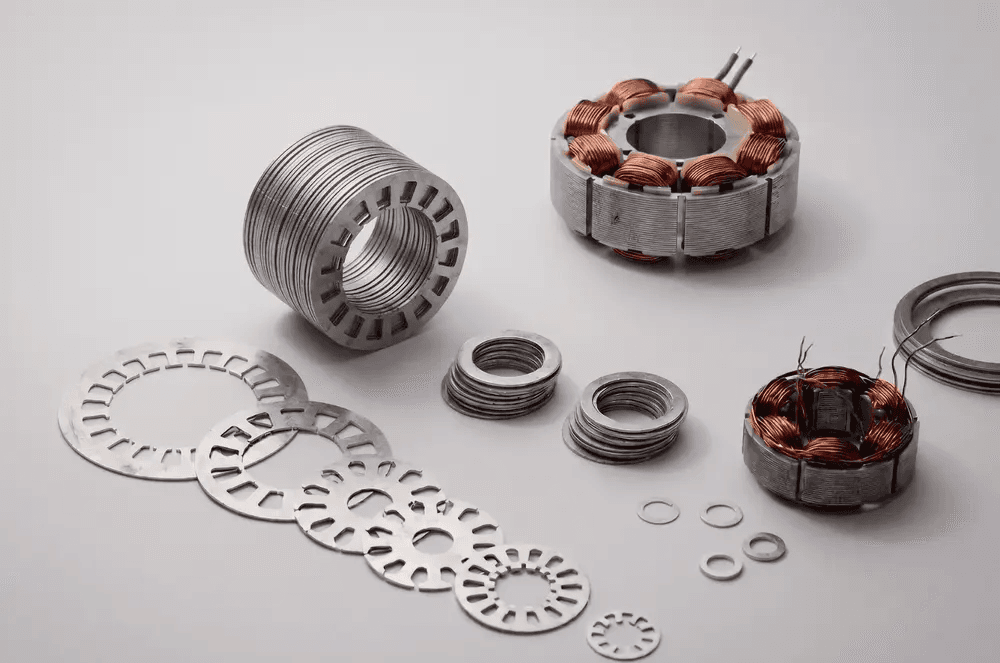
Precision-Built Rotor Assemblies
Working in conjunction with the stator, the rotor converts electromagnetic energy into mechanical motion—or vice versa—depending on the application. At Permanent Magnets Limited, we manufacture rotor assemblies with precision laminations, magnetic materials, and advanced construction techniques to meet the demands of modern electrical machinery.
Functional Description
The rotor sits inside the stator and rotates to produce motion or electrical output, depending on the machine type.
1
In AC Motors
A rotating magnetic field from the stator induces current in the rotor, which in turn produces its own magnetic field. The interaction of these magnetic fields generates torque that causes the rotor to spin.
2
In DC Motors
The rotor is powered directly via a DC current and is connected to a commutator and brushes that facilitate continuous rotation by reversing current direction.
3
In Generators
The rotor is driven mechanically to rotate within the stator, creating a changing magnetic field that induces current in the stator windings—thereby generating electricity.
Magnetic Material–Driven Rotor Performance
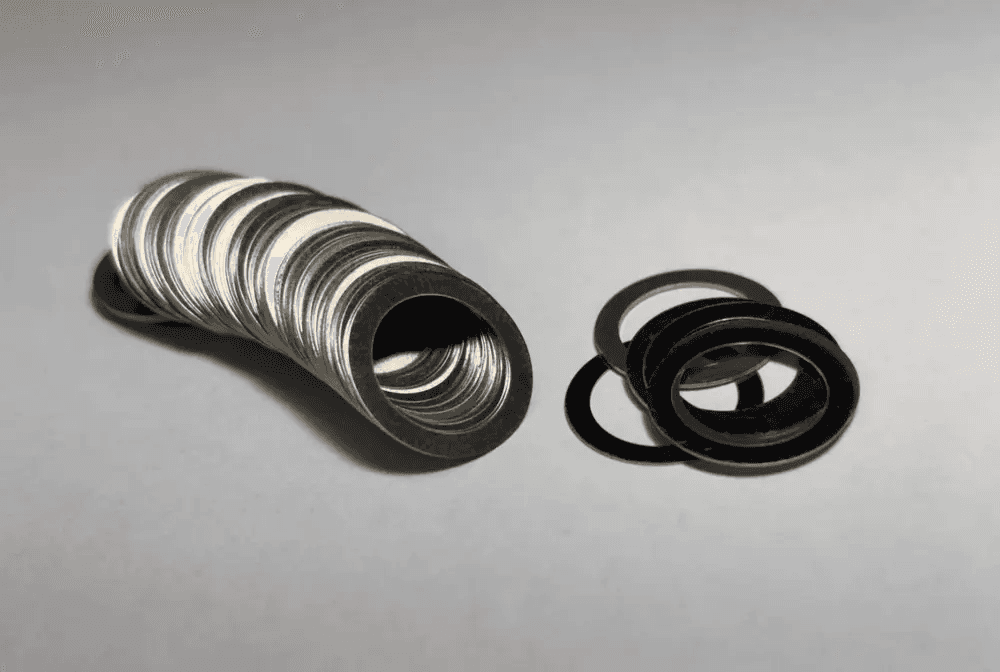
Our key strength is the integration of advanced magnetic materials with rotor design. Using Cobalt-Iron (CoFe) for higher saturation and Nickel-Iron (NiFe) for enhanced permeability, we optimize flux paths, reduce losses, and improve overall motor performance. With capabilities in magnet assembly, skewing, and high-speed containment, we deliver compact, efficient, and application-ready PM rotor solutions.

Types of Rotor Assemblies
PML offers a diverse range of rotor solutions designed to meet the evolving demands of industrial, automotive, aerospace, and energy applications. From conventional Squirrel-Cage and Wound Rotors to advanced Permanent Magnet Rotor assemblies, our capabilities extend across multiple motor technologies, performance requirements, and operating environments. Backed by expertise in laminations, magnetic systems, winding, and precision assembly, we develop customized rotor solutions engineered for efficiency, reliability, and high-performance operation.
Target Applications
Our rotor assemblies are engineered for high-performance applications across multiple sectors:
1
Electric Vehicles (EVs)
Designed for traction motors that require fast dynamic response, high torque density, and energy efficiency.
2
Industrial Automation
Used in motors for robotics, conveyors, pumps, compressors, and production machinery, offering reliable torque control.
3
Power Generation
Implemented in synchronous generators and alternators for renewable energy and conventional power plants.
4
Aerospace and Defense
Customized rotors for high-speed, mission-critical systems such as UAVs, satellites, and aircraft actuators.
5
Medical Equipment
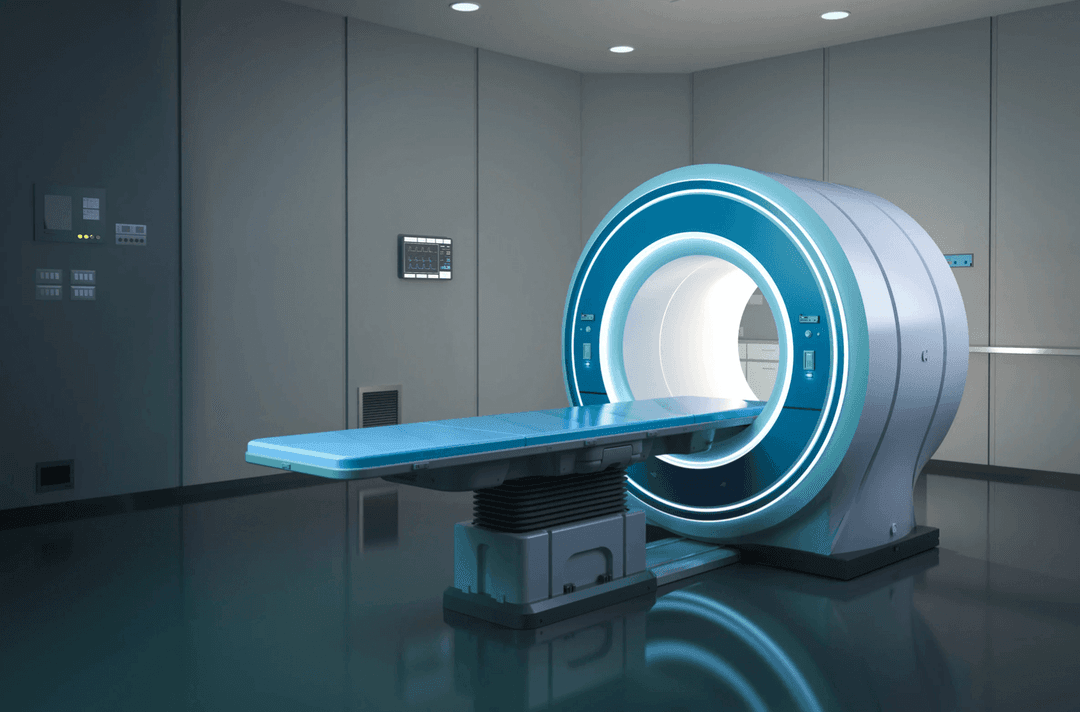
BLDC and precision motor rotors for MRI machines, centrifuges, and surgical instruments requiring quiet and reliable performance.
Technical Specifications
| Parameter | Specification |
|---|---|
| Rotor Material | Silicon Steel, Nickel Iron, Cobalt Iron alloys, and Permanent Magnets |
| Strip Thickness | 0.15 mm to 0.5 mm |
| Manufacturing Tolerance | ±0.005 mm |
| Available Rotor Types | Solid, Laminated, PM Embedded |
| Dynamic Balancing | ISO 1940 Grade G2.5 or G1 (on request) |
| Maximum Operating Speed | Up to 60,000 RPM |
| Cooling Options | Air-cooled or liquid-cooled designs available |
| Coatings | Epoxy, ED (Electro-deposition), and anti-corrosion treatments |
| Final Testing & QA (Fit/Form) | CMM, VMM, Stack Strength Tests |
| Final Testing & QA (Operational) | BH Curves, Coercivity, Hi-Pot Test, Inductance, Q Factor, Impedance (Z), Resistance, IR Tests |
| Traceability | Complete traceability and process documentation maintained |
Frequently Asked Questions
Materials like Silicon Steel, Cobalt Iron, and Nickel-Iron alloys are preferred due to their high magnetic permeability and low core losses.
Related Products
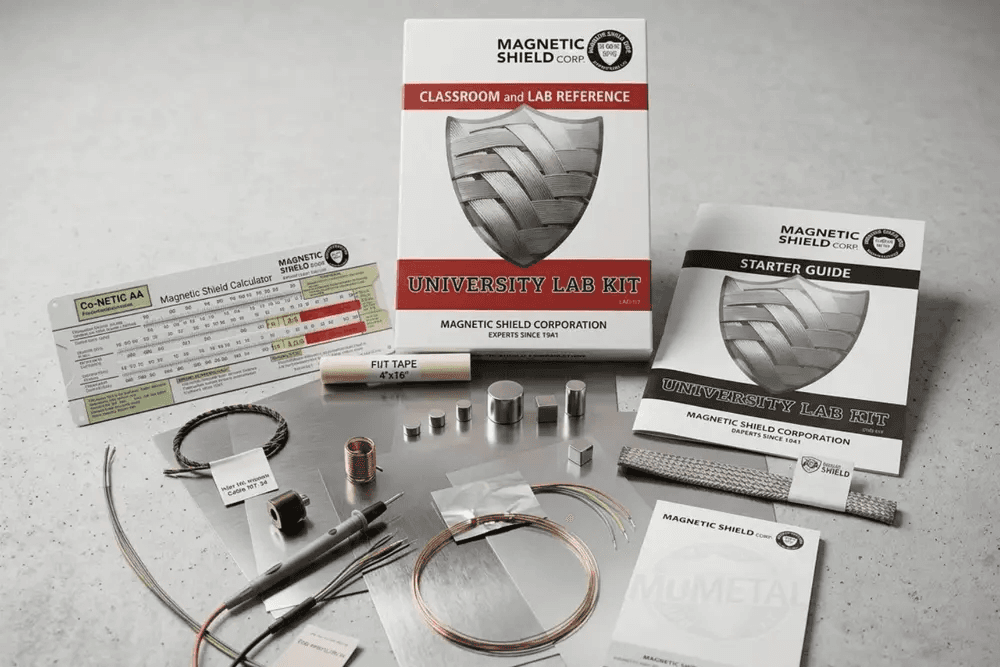
University Lab Kit
Academic-Grade Magnetic Shielding Prototyping Kit
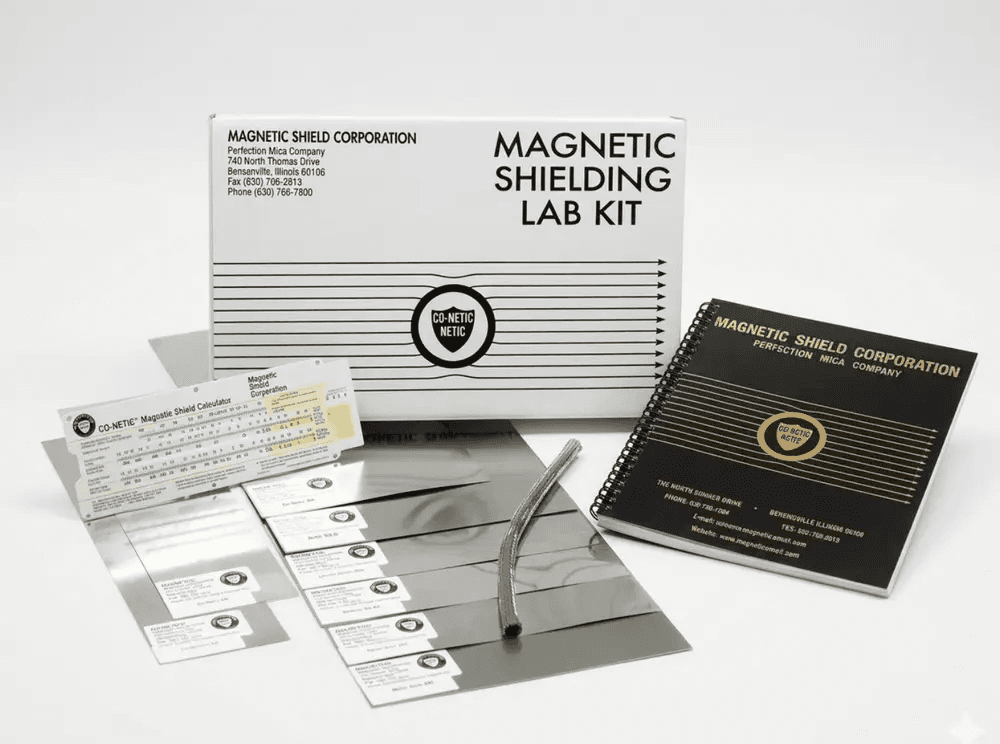
Basic Magnetic Shield Lab Kit
Your First Step to Hands-On Magnetic Shielding Prototyping
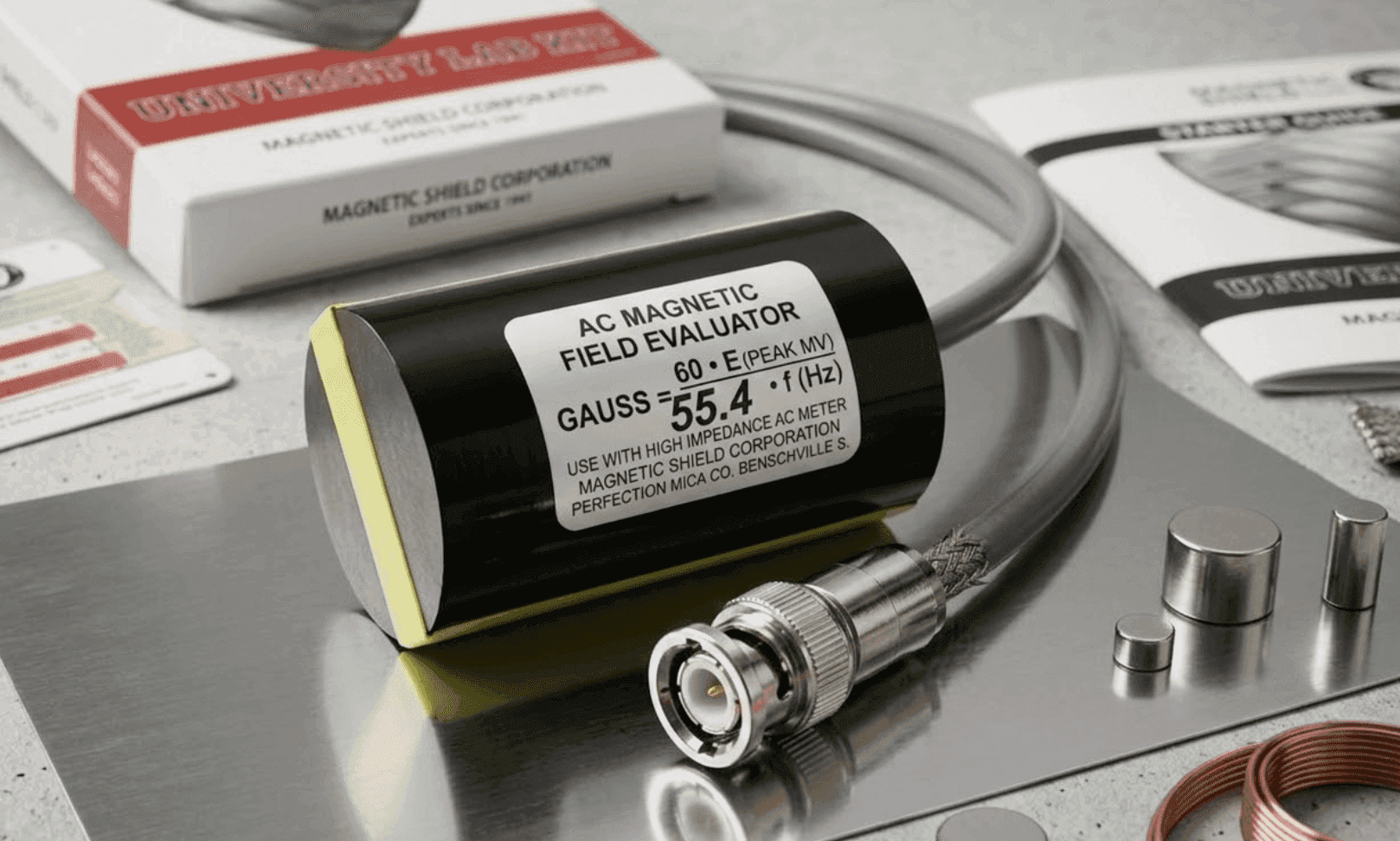
AC Probe-Axial 60 MV
Precision AC Magnetic Field Probe with Axial Sensitivity
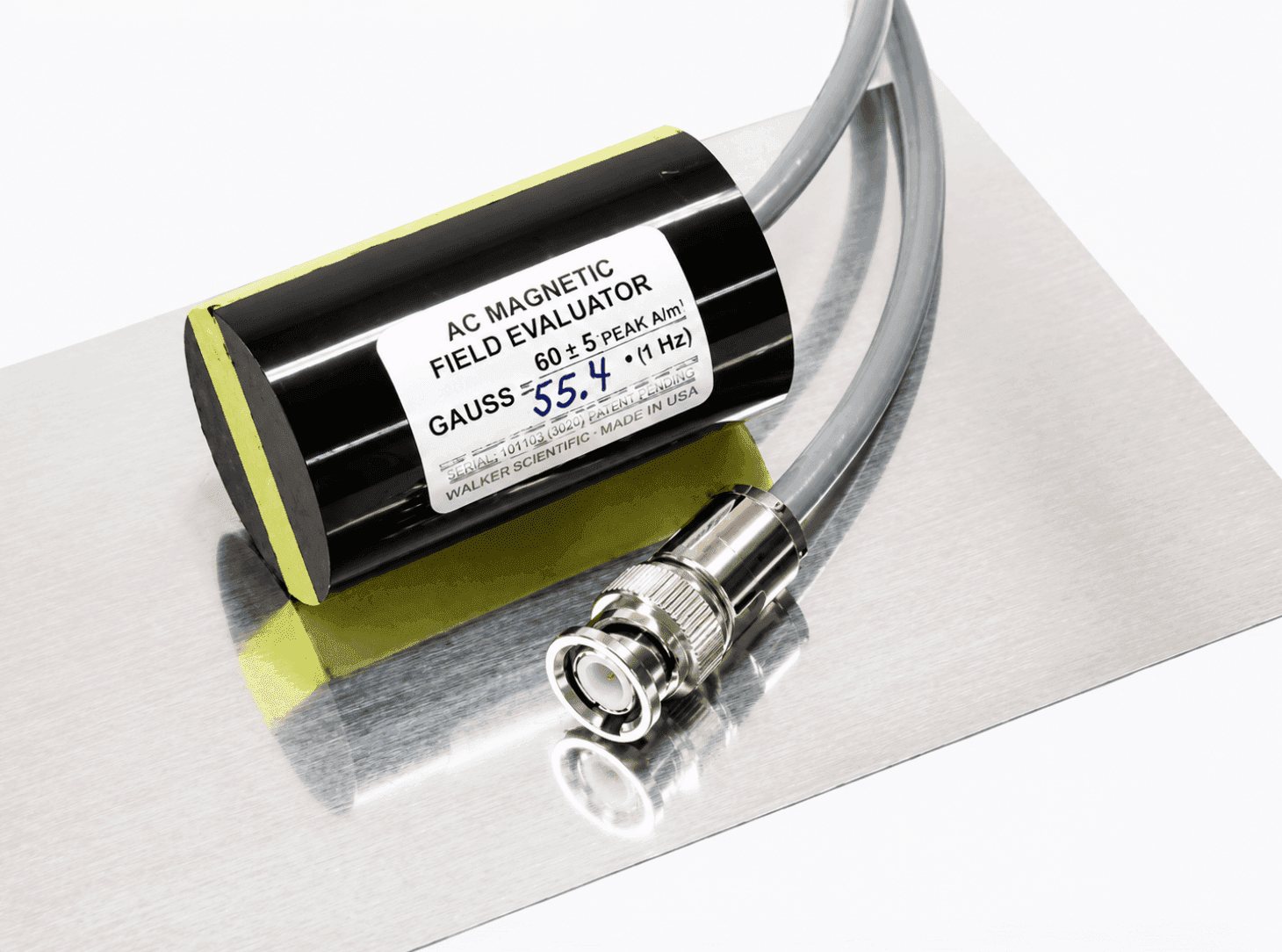
AC Probe-Transverse 60 MV
Precision AC Magnetic Field Probe with Transverse Sensitivity
University Lab Kit
Academic-Grade Magnetic Shielding Prototyping Kit
Basic Magnetic Shield Lab Kit
Your First Step to Hands-On Magnetic Shielding Prototyping
AC Probe-Axial 60 MV
Precision AC Magnetic Field Probe with Axial Sensitivity
AC Probe-Transverse 60 MV
Precision AC Magnetic Field Probe with Transverse Sensitivity
Request a Quote
Pioneering cutting-edge technology to develop reliable, high-performance magnetic components and engineering solutions.